

Services / AI & Automation
AI and automation that removes repetitive work.
Workflows that run themselves, documents that process themselves, and assistants that answer the questions your team answers a hundred times a week.
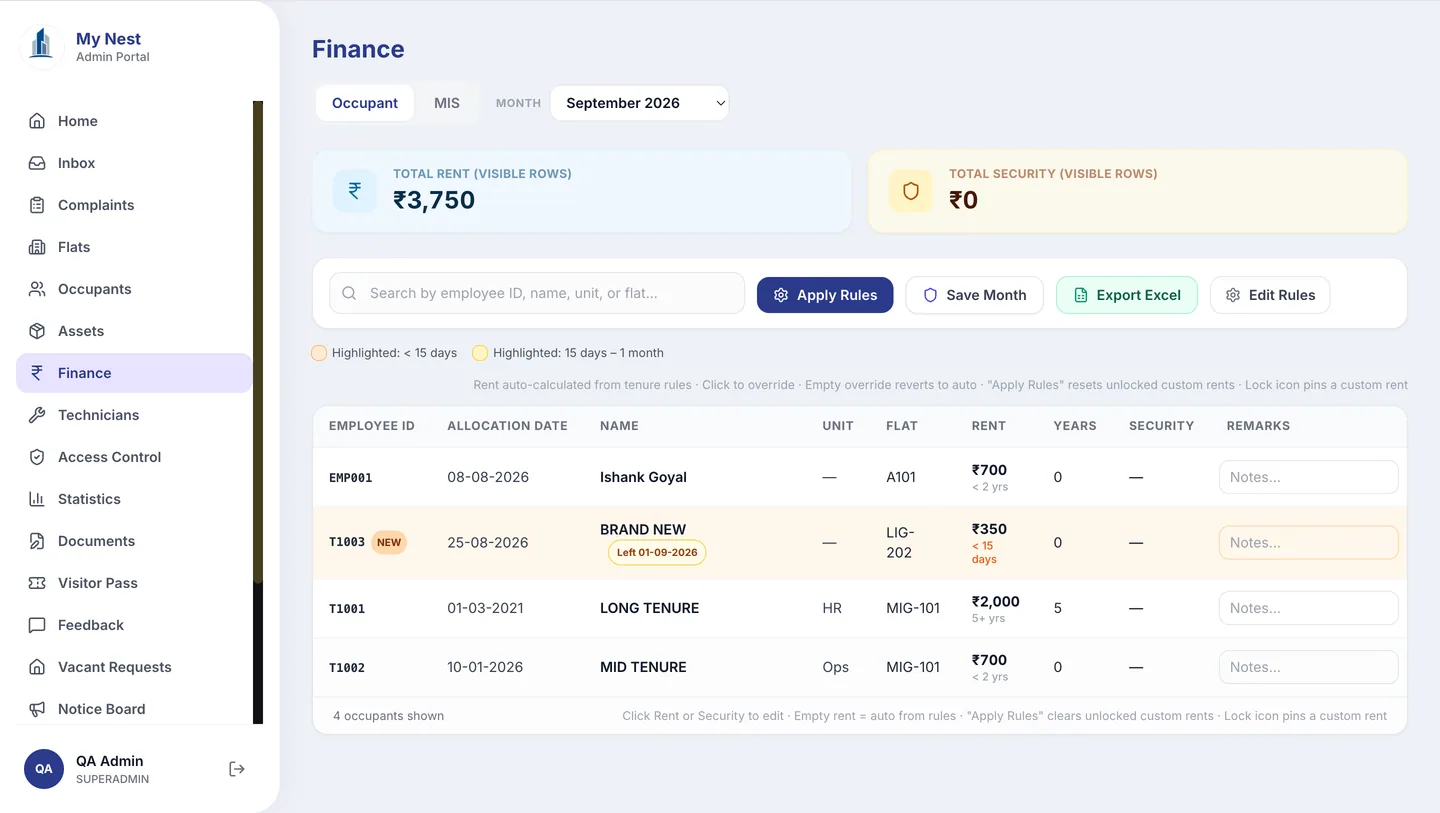
From our work: My Nest, monthly billing rules
01In practice
What this means in practice
Automation starts with a list of the things your team does by hand that follow a rule: routing an enquiry, matching an invoice, sending a reminder, producing a report. We turn those rules into workflows that run on their own and flag the exceptions to a person.
Where a rule is not enough, we use AI models for the messy parts: reading documents, classifying messages, drafting replies, extracting data from forms. The model does the first pass; your team keeps the final say.
We do not put AI in front of a problem that a simple rule solves. The aim is fewer manual steps and fewer mistakes, measured in your own numbers rather than a demo.
02What we build
Specific things we deliver
Workflow automation
Rule-based flows that move work between people and systems.
Document and data extraction
Invoices, forms and PDFs read into structured records.
Message classification and routing
Enquiries sorted and sent to the right person with context.
Business assistants
Answers grounded in your own documents and data, with sources shown.
Scheduled reports and alerts
The numbers people ask for, delivered before they ask.
Review queues
Human sign-off where it matters, with everything else handled.
Integrations that remove re-entry
Data flowing between systems without a person copying it.
Usage and cost monitoring
Visibility of what the automation does and what it costs to run.
03Where it fits
Situations that usually lead here
- 01
Someone re-types the same data into two systems every day.
- 02
Enquiries wait in an inbox until a person sorts them.
- 03
Invoices, forms or documents arrive as PDFs and need reading.
- 04
Your team answers the same questions over and over.
- 01
Discover
We list the repetitive work, how often it happens and what goes wrong.
- 02
Define
Which steps a rule can handle, which need a model, and where a person stays in the loop.
- 03
Design
The review and exception screens designed with the people who will use them.
- 04
Build
Workflows built and run against real samples with your team checking results.
- 05
Launch and support
Monitoring of accuracy and cost, with improvements as the work changes.
07FAQ
Questions about ai & automation
Yes, by design. Anything with judgement in it goes to a review queue; automation handles the routine cases and shows its reasoning for the rest.
Not perfect data, but usable data. Part of the discovery work is looking at what you actually have and deciding what needs cleaning before automation will help.
Data handling, storage and which model providers are used are agreed in writing in the plan for your project, and we design for your data staying under your control.
We agree what to measure before we start: time saved, errors caught, turnaround. The system reports those numbers so you can see the effect in your own terms.
Start here
Have a problem worth solving?
Tell us what you're trying to build, automate or improve. We'll help you figure out the right technology and the best way to build it.